 Where to find us?
 Loyalty program
 Contact us


![Laboratoire Garancia Anti-Âge & Anti-Rides [ À la belle ÉTOILE ] : crème suprême de nuit régénératrice. Mentionne l'innovation corrigeant 9 signes de l'âge en 2 semaines et +50% de fermeté dès 28 jours.](http://garancia-beauty.com/cdn/shop/files/PRESENTATION_ETOILE.webp?v=1788879732&width=120)
![Laboratoire Garancia Masque visage [ Bal MASQUÉ des Sorciers ] LIFTANT, HYDRATANT, REPULPANT](http://garancia-beauty.com/cdn/shop/files/BMS_LIFTANT_RESULTAT_PACK_FOND.webp?v=1770717646&width=120)
![first-img Laboratoire Garancia Masque visage [ Bal MASQUÉ des Sorciers ] NOURRISSANT, APAISANT, PRÉVENTIF](http://garancia-beauty.com/cdn/shop/files/BMS_APAISANT_RESULTAT_PACK_FOND.webp?v=1701160829&width=120)
![Laboratoire Garancia Anti-Âge & Anti-Rides [ MYSTÉRIEUX Repulpant ]. sur fond noir et dorée. victoire de la beauté 2010-2011](http://garancia-beauty.com/cdn/shop/files/mysterieux_repulpant_serum_anti_age_b_n_fices.webp?v=1774860120&width=120)
![Laboratoire Garancia Anti-Âge & Anti-Rides [ MYSTÉRIEUX Mille et Un Jours ] effet lifting dès 30 minutes avec la crème anti-rides Mystérieux Mille et Un Jours](http://garancia-beauty.com/cdn/shop/files/PACKSHOT_MMUJ_Creme.webp?v=1772620553&width=120)
![Laboratoire Garancia Anti-Âge & Anti-Rides [ MYSTÉRIEUX Mille et Un Jours ] Émulsion effet lifting dès 30 minutes](http://garancia-beauty.com/cdn/shop/files/PRESENTATION_MMUJ_EMULSION_effet.webp?v=1772620679&width=120)
![first-img Garancia Huile Visage [ Huile ENSORCELANTE AUX SUPER POUVOIRS ]](http://garancia-beauty.com/cdn/shop/files/PRESENTATION_HE_235dfc63-5d98-4085-bc96-2c85ab8623fd.webp?v=1686304530&width=120)

Well-hydrated skin is the key to a healthy and radiant appearance. Dehydrated skin can not only cause discomfort but also lead to skin problems such as dryness, flaking, and even the premature appearance of signs of aging. In this article, we advise you on how to take care of your skin by providing it with the hydration it needs.
Why should you hydrate your skin?
Well-hydrated skin plays a vital role in our appearance, comfort, and health. Here's why it's important to maintain good skin hydration:
- Maintain water balance: The skin is the largest organ of the body and plays a crucial role in regulating body hydration. Skin hydration helps maintain this water balance, which is essential for the proper functioning of our body.
- Prevent dry skin: Skin hydration prevents dryness, which can lead to discomfort, itching, and tightness. Dry skin is also more prone to irritation and redness.
- Delay skin aging: Well-hydrated skin tends to show fewer signs of aging. It appears more supple, smoother, and less prone to wrinkles and fine lines.
- Protect against external aggressions: Well-hydrated skin has a stronger skin barrier that can better resist external aggressions such as pollution, wind, cold, and UV rays.
- Promote healing: When the skin is hydrated, it tends to heal faster in case of injury, burn, or cut.
How to know your skin type?

Knowing your skin type is an essential step to choose the right skincare products and take care of your skin effectively.
To determine your skin type, start by observing your skin after cleansing. Gently wash your face with lukewarm water and a mild cleanser, and do not apply any product to your face. Wait about an hour, then observe how your skin behaves:
- If your skin feels tight, taut, or shows signs of flaking, it is probably dry skin.
- If your skin feels comfortable and problem-free, you probably have normal skin.
- If your skin is shiny or has oily areas, especially in the T-zone (forehead, nose, chin), you probably have oily skin.
- If your skin is oily in some areas and dry in others, you probably have combination skin.
- If your skin is prone to redness, irritation, or sensations of heat, you probably have sensitive skin.
Finally, when trying new skincare products, such as a moisturizer, start with gentle formulas and observe how your skin reacts. Sensitive skin will react more easily to products by showing redness, irritation, or itching.
Tip #1: Drink enough water
Drinking enough water is a fundamental step to maintain healthy and well-hydrated skin. Indeed, internal hydration plays a crucial role in the appearance and health of your skin, as the latter is the last organ to receive the water you drink. By consuming an adequate amount of water, you ensure that your body maintains an appropriate level of hydration. This allows your skin to remain supple and elastic.
In addition, sufficient hydration promotes blood circulation, thus providing your skin with essential nutrients and oxygen, which promotes better cell regeneration and healthier skin.
Water also plays a crucial role in eliminating toxins from your body. By eliminating waste and impurities, water helps maintain skin clarity and prevent breakouts.
Finally, know that dehydration can accentuate the appearance of dark circles and under-eye bags. By drinking enough water, you can therefore help alleviate these problems.
Tip #2: Use a gentle cleanser
Using a gentle cleanser is an essential step in your skincare routine. Choosing the right cleanser for your skin type is crucial to maintaining clean skin without causing dryness or irritation.
Before adopting a new cleanser, perform a patch test by applying a small amount to your skin for a few days to check that it does not cause irritation.
In general, it is recommended to cleanse your face twice a day, morning and evening. However, if you have very dry skin, you might consider cleansing it only in the evening.
Dry skin
Opt for a gentle and moisturizing cleanser. Look for products containing ingredients such as hyaluronic acid or glycerin to retain moisture. Avoid cleansers containing sulfates, as they can further dry out the skin.
Normal skin
You're in luck, as many types of cleansers are suitable for normal skin. Opt for a gentle cleanser that does not contain potentially irritating ingredients.
Oily skin
Choose a cleanser specifically for oily skin. Look for formulations based on salicylic acid, glycolic acid, or activated charcoal to help control excess sebum. Avoid oil-based cleansers, as they could worsen sebum production.
Sensitive skin
Choose a cleanser specifically designed for sensitive skin, preferably without fragrance or dyes. Opt for pH-balanced cleansers that do not alter the skin barrier.
Tip #3: Choose the right moisturizer
Choosing the right moisturizer is essential to maintain well-hydrated and healthy skin. For a truly effective routine, the facial serum + cream duo remains the most complete combination: the serum provides concentrated active ingredients as a first layer, and the cream seals them in and nourishes the skin's surface.
If you have dry skin, opt for a rich and thick moisturizer. Look for products containing ingredients such as hyaluronic acid, glycerin, ceramides, and natural oils (like argan or sweet almond oil). Moisturizers based on shea butter or cocoa butter are also beneficial for deeply nourishing dry skin.
A light lotion or non-comedogenic moisturizer is usually sufficient for normal skin. Look for products containing antioxidants such as vitamin C to help maintain skin health.
For oily skin, choose a light, oil-free, and non-comedogenic moisturizer to avoid aggravating excess sebum. Look for formulations based on mild exfoliating acids such as salicylic acid or succinic acid to control sebum production and prevent imperfections.
For combination skin, use a light moisturizer on normal or oily areas of the face and a richer cream on dry areas. Gel moisturizers can be an excellent option to maintain hydration without adding extra weight to the skin.
Finally, if you have sensitive skin, choose a moisturizer specifically formulated for sensitive skin, without fragrance or dyes. Opt for hypoallergenic and non-irritating products to soothe the skin and strengthen its protective barrier.
Tip #4: Use sun protection
Using sun protection is essential not only to protect your skin from the harmful effects of UV rays but also to prevent skin dehydration.
Indeed, prolonged sun exposure can lead to a loss of skin hydration. UVB and UVA rays damage the skin barrier, causing increased water evaporation from the skin. Therefore, using sun protection helps maintain this hydration by creating a protective barrier against the sun's harmful rays. Please note that regular application of sun protection should be part of your daily skincare routine, even on cloudy days.
How to properly hydrate your skin with Garancia Laboratory skincare?
Garancia Laboratory offers unique formulas designed to meet the specific needs of different skin types, whether you have combination, dry, sensitive, or other skin. You can therefore select products according to your skin type for tailored hydration.
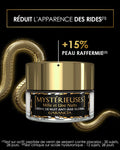
For optimal hydration and nourishment, Garancia's MYSTERIOUS range of face care rituals can be an excellent option. This range includes products such as Mystérieux Repulpant, Mystérieux Mille et Un Jours, Mystérieux Mille et Un Jours Emulsion, and Mystérieuses Mille et Une Nuits, offering global anti-aging action for healthier skin.
Once or twice a week, depending on your skin's needs, incorporate a Garancia facial scrub into your routine. This will help remove dead skin cells from the skin's surface, revealing a brighter complexion and promoting better absorption of hydrating products.
Complete your beauty routine by occasionally applying a soothing facial mask like Bal Masqué des Sorciers. This will help soothe your skin, deeply nourish it, and give it a revitalized appearance.
FAQ
Photo credit: @claire_b._photography


